Observation, translation, and systems.
My research practice grew from work that repeatedly required close attention to people, environments, and the gap between stated needs and lived experience.
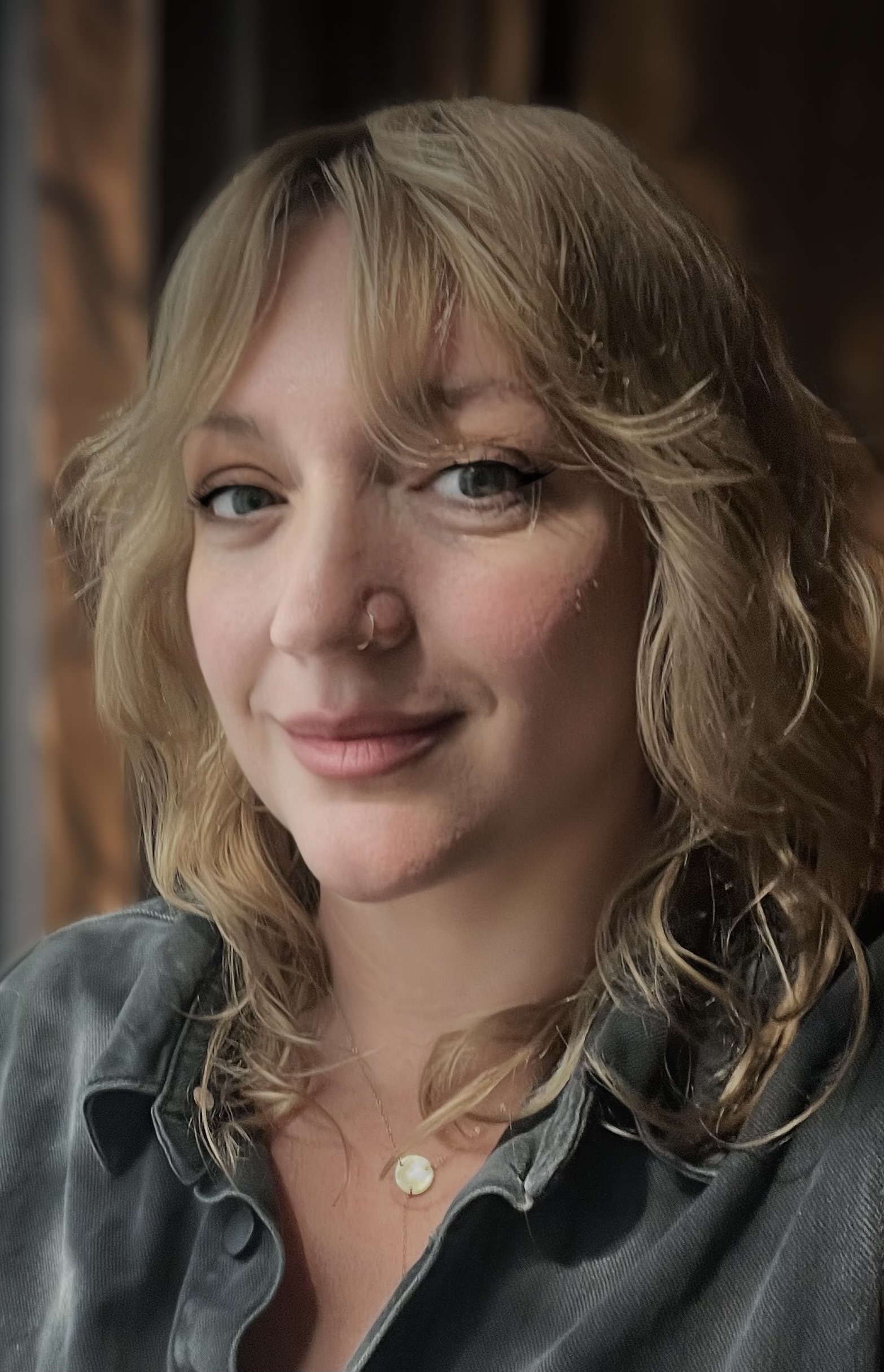
A nonlinear career with a consistent research habit.
Before UX, I worked across massage therapy, education, small-business operations, interior design, and client services. Those roles were different on the surface, but each required the same kind of attention: notice what someone is trying to accomplish, identify the friction that is not being named, and translate that observation into a workable change.
My current work makes that practice explicit through qualitative research, synthesis, accessibility, and systems thinking.
I am especially interested in cognitively demanding environments—places where ambiguity, sensory conditions, communication systems, institutional expectations, or technology change how much effort participation requires.
Separate evidence from interpretation.
Strong synthesis depends on knowing what was observed, what was inferred, and what remains uncertain.
Study the system around the interface.
Participation is shaped by workflows, policies, sensory environments, communication, time, and organizational expectations—not only screens.
Reduce hidden work.
I look for translation burdens and unnecessary cognitive effort that systems quietly transfer to users.